Startup PR Checklist Before Raising Funds
Ritika Garg
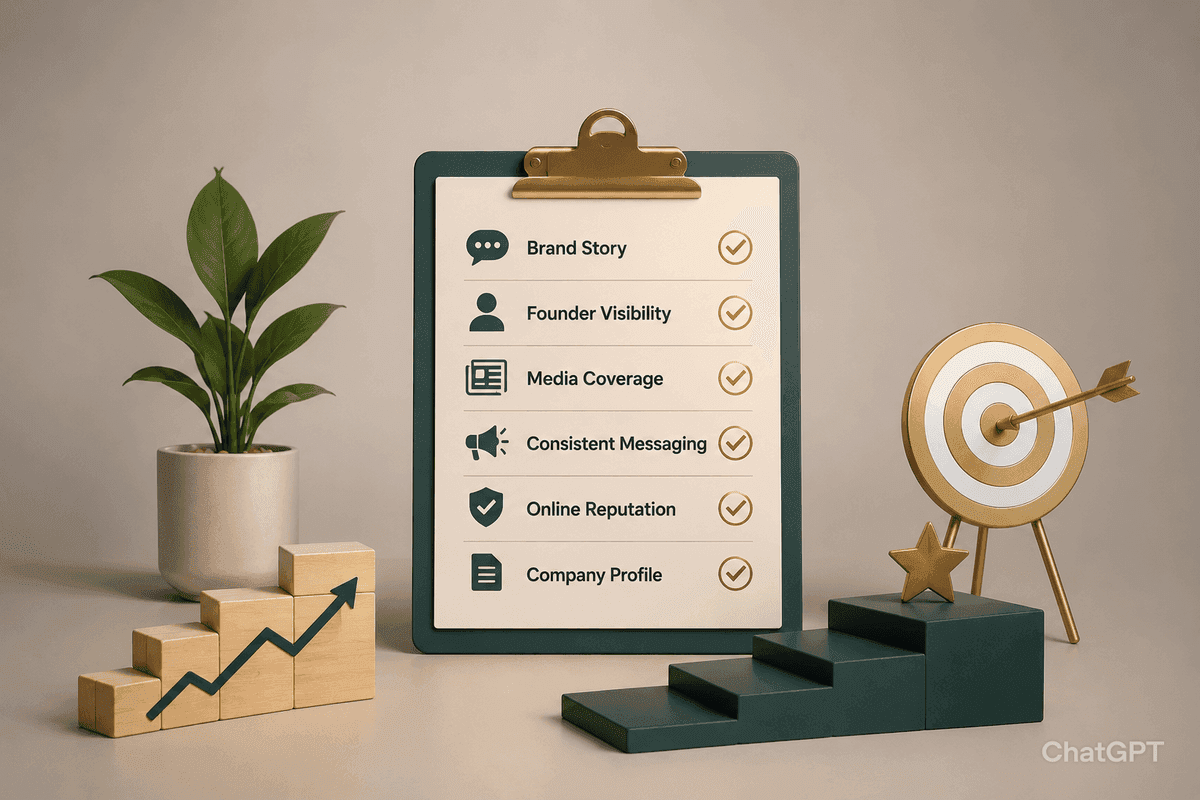
Long before investors review financial projections or discuss valuations, they often do something much simpler they Google your company.
What they find during those first few minutes can shape their perception of your startup before the first meeting even takes place. Media coverage, founder visibility, industry recognition, and online credibility all contribute to the story investors see. This is why PR has become an increasingly important part of fundraising readiness for startups.
A well-executed PR strategy can help startups establish visibility, strengthen their reputation, and create positive investor sentiment long before they enter a fundraising round. In today's competitive startup ecosystem, founders who invest in building credibility early often find themselves in a stronger position when engaging with investors.
A well-executed PR strategy can help startups establish visibility, strengthen credibility, showcase market expertise, and position founders as trusted voices within their industry long before they enter a fundraising round.
Define a Clear Brand Narrative
Investors want to understand more than just what a startup does; they want to understand why it exists. A strong brand narrative should clearly communicate:
The problem being solved The market opportunity The startup's unique value proposition The founder's vision Long-term business goals
Strengthen Founder Visibility
Investors often invest in founders as much as they invest in businesses. Before fundraising, founders should focus on building a visible and credible professional presence through:
Thought leadership articles Industry event participation Podcast appearances Media interviews LinkedIn content and insights
Secure Relevant Media Coverage
Media coverage serves as third-party validation. When reputable publications feature a startup, it helps strengthen credibility and increase awareness among investors, customers, and industry .
Stakeholders focus on securing coverage around:
Product launches Funding announcements Industry insights Founder stories
Ensure Consistent Messaging
Consistency is a key component of credibility, especially during fundraising. Investors often interact with a startup through multiple touchpoints, including the company website, social media channels, pitch decks, media coverage, and conversations with the leadership team. If the messaging across these platforms varies significantly, it can create confusion and raise questions about the company's direction and positioning. To build trust, startups should ensure that their business vision, growth strategy, market positioning, company values, and key achievements are communicated consistently across all channels. A unified message not only reinforces professionalism but also helps investors develop greater confidence in the business and its leadership.
A strong online reputation can reinforce credibility and trust, while outdated information, negative reviews, or inconsistent messaging can raise unnecessary concerns. Regularly monitoring and managing your digital footprint helps ensure that investors encounter accurate, positive, and up-to-date information about the company.
Key areas to monitor include:
Search engine results for the company and founders Customer reviews and ratings across platforms Social media mentions and audience sentiment Media coverage and press mentions
Prepare a Strong Company Profile
A well-crafted company profile is often one of the first documents investors review when evaluating a startup. It serves as a snapshot of the business, providing a clear understanding of the company's purpose, market potential, leadership, and growth journey. During fundraising, a strong company profile can help create a positive first impression and ensure that key information is communicated consistently across investor interactions.
Beyond presenting facts and figures, the profile should tell a compelling story about the startup's vision, achievements, and future opportunities. A concise, professional, and up-to-date company profile can also support media outreach, partnership discussions, and stakeholder. It should include:
Company overview Mission and vision Leadership team Market opportunity Key achievements Business model Growth milestones Products or services offered Competitive differentiators Customer or client highlights
Fundraising success is not determined solely by financial performance or product innovation. Investors also evaluate leadership credibility, market understanding, industry influence, and the founder's ability to articulate both customer challenges and future opportunities. A strong PR foundation helps demonstrate these qualities long before formal fundraising conversations begin.
By treating PR as a strategic business function rather than an afterthought, startups can strengthen their fundraising readiness and position themselves for long-term growth and investor trust.


Truworx - Vatika Triangle
5th Floor, MG Road, Sector 28
Gurugram, Haryana 122009